Wine and cheese have been companions for centuries, each enhancing the other’s virtues. But why do these two seemingly simple pleasures lock arms so seamlessly? In this article we’ll trace the history, explore the science, share practical tips, debunk myths, and finally help you savor the experience. Whether you’re a seasoned connoisseur or a curious newcomer, you’ll find a fresh perspective on this beloved pairing.
A Toast Through Time
Ancient Roots
Long before the first vineyard was tended, ancient peoples discovered that fermented grape juice and curdled milk could coexist. Archaeological digs in the Fertile Crescent reveal jars of early wine alongside cheese‑like curds, hinting at a primordial bond. It was a pragmatic alliance: wine preserved milk, and cheese provided a protein source that complemented the wine’s acidity.
Medieval Innovations
Fast forward to the Middle Ages, when monasteries became the epicenters of culinary experimentation. Benedictine monks, famed for their disciplined brewing, also crafted aged cheeses that would later inspire modern varieties. They noticed that a robust red could tame the sharpness of a blue cheese, while a crisp white lifted the flavors of a creamy Brie. The medieval scribes even recorded pairing guidelines in illuminated manuscripts—proof that this relationship was already a culinary art.
Modern Trends
Today, the pairing is a global phenomenon. From the bustling markets of Paris to the vineyards of Napa, chefs and sommeliers collaborate to create menus where wine and cheese dance together. Contemporary pairings sometimes push boundaries, mixing unexpected textures or regional specialties, but the core principle remains: balance and contrast create harmony.
Chemistry on the Palate
Flavor Harmony
At the molecular level, the fat content in cheese coats the tongue, while the acidity in wine cuts through that coating, creating a clean finish. Think of it as a duet: the cheese sings a mellow note, and the wine answers with a sharper, more resonant tone. This interplay prevents one flavor from overpowering the other, allowing each to shine.
Texture Balance
Texture is another silent partner. A creamy Camembert paired with a dry, tannin‑rich Cabernet Sauvignon feels like a gentle tug‑of‑war. The wine’s tannins firm up the mouthfeel, while the cheese’s creaminess softens the wine’s bite. Conversely, a crumbly goat cheese with a sparkling Riesling offers a contrast that feels like a playful ping‑pong match.
Aroma Synergy
Aromas travel fast. The bouquet of a well‑oaked Chardonnay can echo the nutty notes of a aged Gruyère, while a robust Merlot’s berry scents might echo the earthy undertones of a blue cheese. When the aromas mirror or complement each other, the overall experience Wine & gourmet food feels cohesive—like a well‑written sentence where each word supports the next.
Pairing Playbook
Cheese Types & Wine Styles
Here’s a quick reference to help you start experimenting:
- Soft, creamy cheeses (Brie, Camembert) → Light‑to‑medium whites (Chardonnay, Sauvignon Blanc) Hard, aged cheeses (Parmesan, aged Gouda) → Full‑bodied reds (Cabernet Sauvignon, Syrah) Blue cheeses (Roquefort, Gorgonzola) → Sweet or fortified wines (Port, Sauternes) Fresh, tangy cheeses (Feta, goat cheese) → Sparkling wines (Prosecco, Champagne)
Serving Tips
- Temperature matters: Serve cheeses at room temperature to release their flavors, but keep wine at its ideal range—typically 60–65°F for reds and 45–50°F for whites. Let the wine breathe: Decanting red wines for 30 minutes can soften tannins, making the pairing smoother. Use neutral plates: A simple white plate keeps the focus on the flavors, not the presentation.
Experimenting Safely
If you’re unsure, start with classic pairings and gradually explore. Keep a tasting journal: note the cheese, the wine, the temperature, and how they felt together. Over time, patterns will emerge, and you’ll develop your own signature combinations.
Myth Busters
Anything Goes? No
A common misconception is that any wine will pair with any cheese. While many combinations work, some clashes are glaringly obvious. For instance, pairing a high‑acid white with a buttery, high‑fat cheese can result in a flat, Visit website unremarkable taste. The key is balance—matching the intensity of each component.
Temperature Tactics
Another myth: “Serve wine at room temperature.” In reality, the “room temperature” for wine is a specific range, not the ambient temperature of your living room. A red served too warm can taste flabby, while a white served too cold may mask its aromatics. Adjusting temperature is like tuning an instrument—small changes can make a big difference.
The Final Sip
Setting the Mood
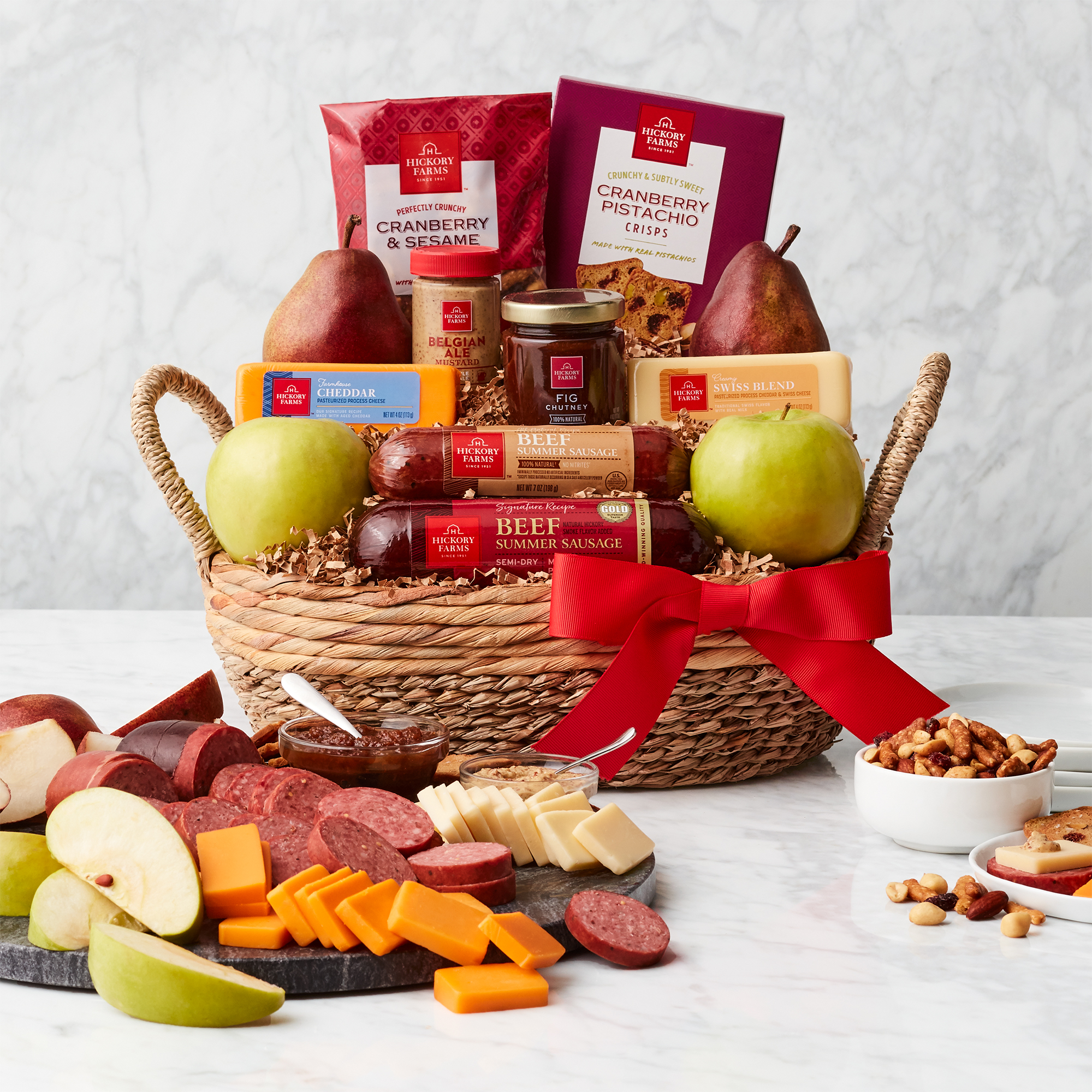
Create an environment that encourages mindful tasting. Dim the lights, play soft music, and arrange a cheese board with a variety of textures and flavors. A well‑curated setting can elevate the experience from casual snack to refined ritual.
Tasting Ritual
Observe: Look at the wine’s color and the cheese’s rind. Smell: Inhale the wine’s bouquet and the cheese’s aroma. Taste: Let the wine coat your palate, then add the cheese. Reflect: Note how the flavors interact—do they complement, contrast, or clash? ### Your Next Pairing AdventureArmed with history, science, and practical advice, you’re ready to explore. Try a new cheese from a different region, pair it with a local wine, and see how the flavors unfold. Share your discoveries with friends, and let the conversation deepen your appreciation of this timeless duo.
*Wine and cheese are not just food items; they’re a partnership that balances flavor, texture, and aroma—a culinary yin and yang that satisfies both body and soul.*